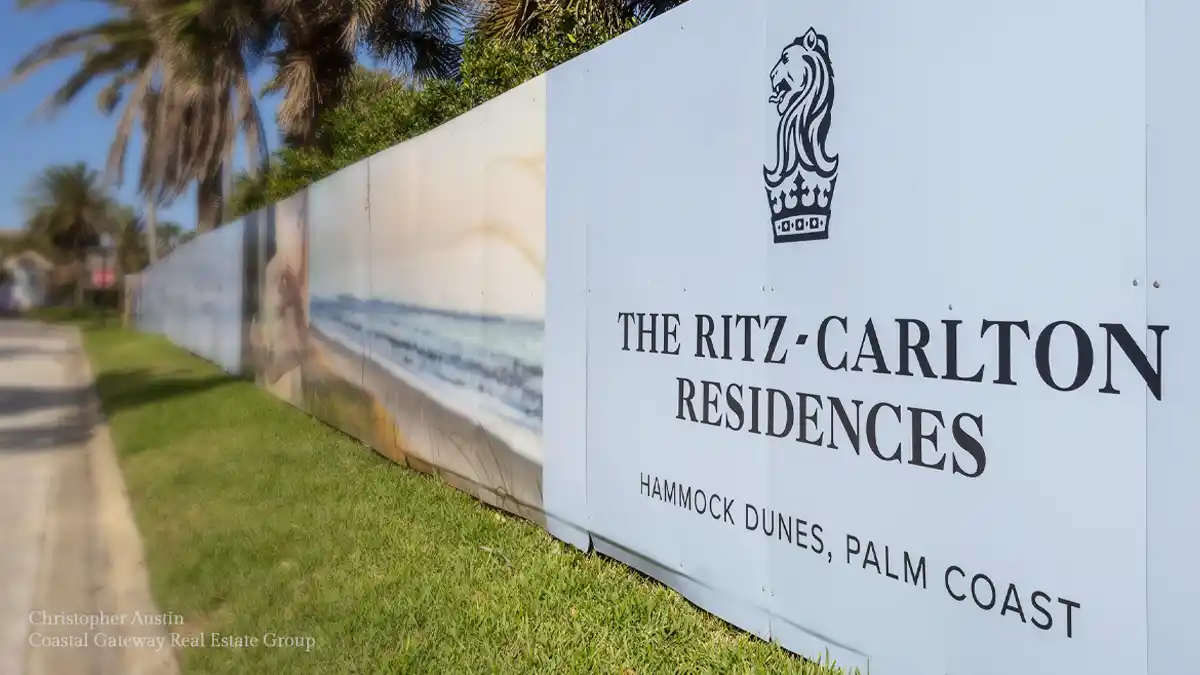
Hammock Dunes Oceanfront Condos: A Timeline of Development Along the Atlantic
Hammock Dunes does not offer one oceanfront condominium product. It offers a timeline.
From the shoreline, the towers appear unified along the same stretch of Atlantic coastline. In reality, each building reflects a specific development era, architectural philosophy, and ownership experience. When I evaluate the Hammock Dunes oceanfront condominiums, I do not see interchangeable inventory. I see chapters in the evolution of coastal living inside one of Palm Coast’s most established gated communities.
I have had the opportunity to help market many of these buildings over the years, and that perspective shapes how I view the coastline today.
La Grande Provence
Completed in two phases in 1992 and 1996, La Grande Provence represents the earliest phase of modern oceanfront condominium development in Hammock Dunes.
The two Spanish-style towers contain 50 residences in one building and 42 in the other. Floor plans range from approximately 1,500 square feet to just under 5,000 square feet. Every residence faces the Atlantic Ocean, and select units also capture golf course views toward the Tom Fazio Links Course.
Amenities are traditional and focused: a heated swimming pool, dune walkover, underground parking, and on-site management. The scale is moderate, and the architecture reflects early 1990s coastal design priorities. It feels established and grounded, shaped by a different era of construction standards and amenity expectations.
The Early 2000s Oceanfront Towers: Portofino, Savona, Cambria, and Tuscany
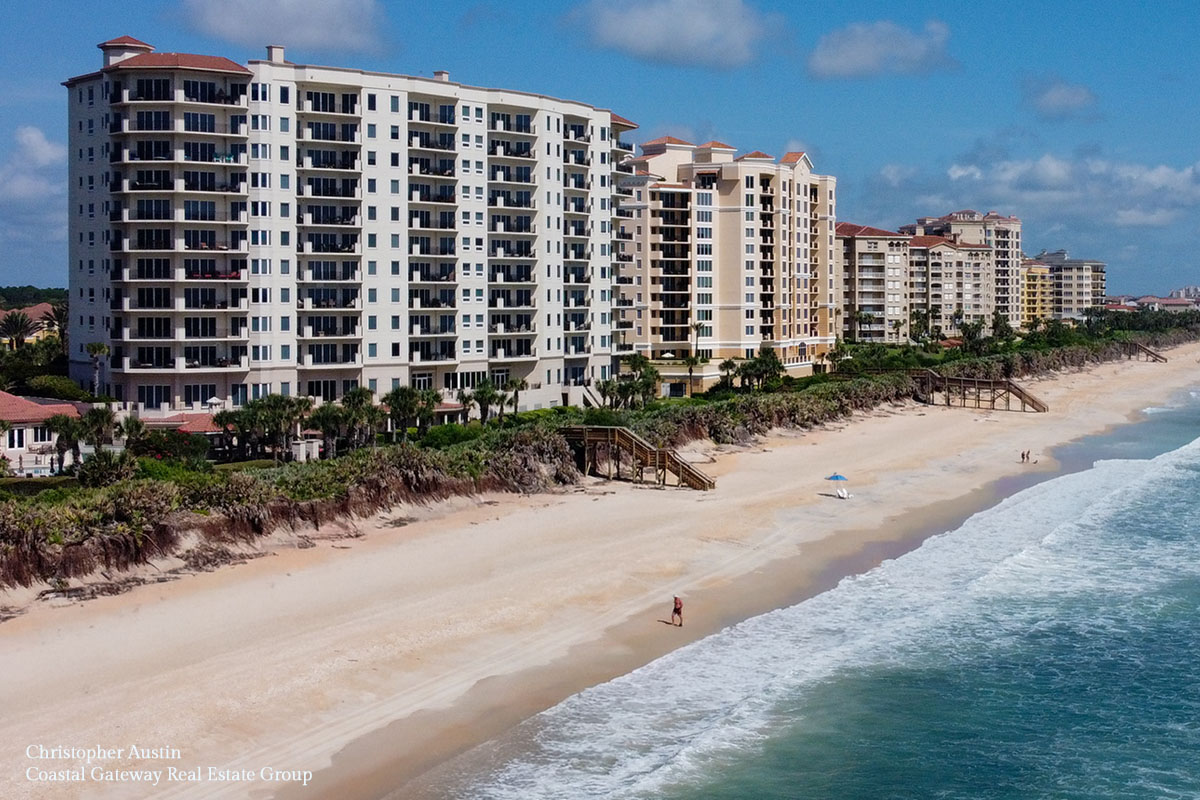
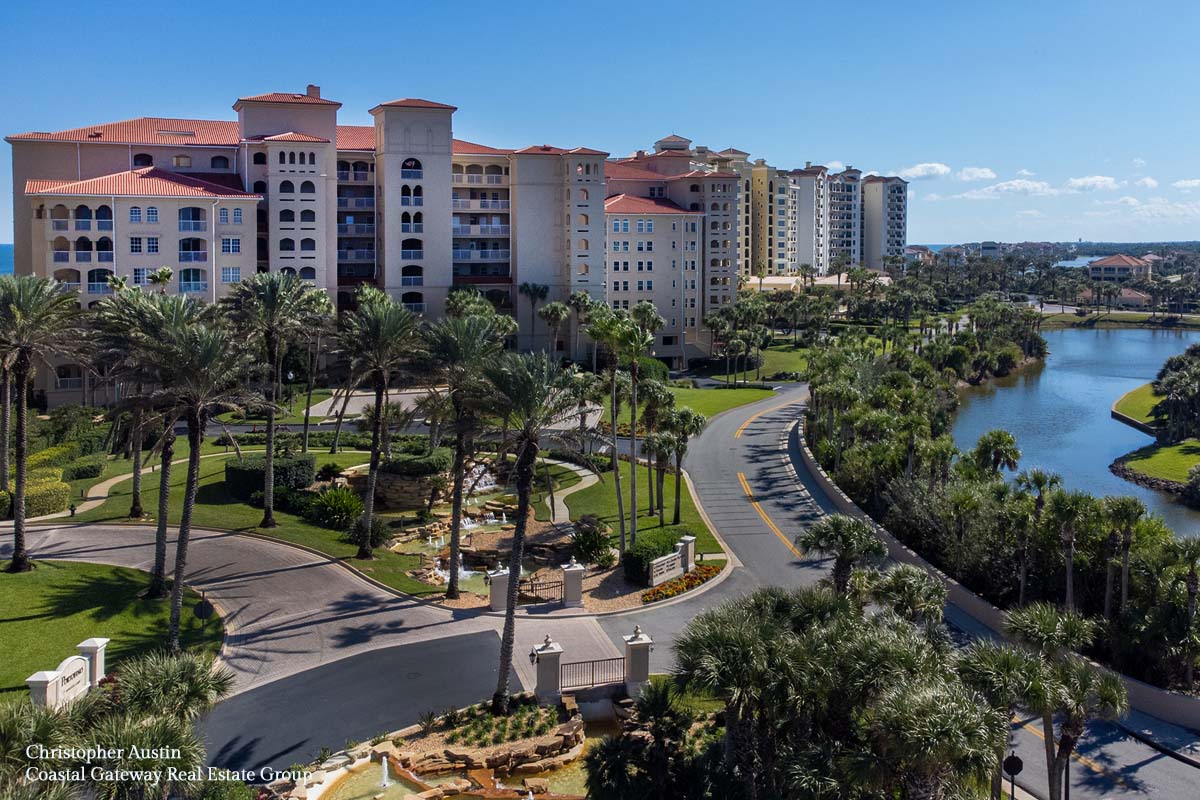
Between 2003 and 2006, a new wave of oceanfront development reshaped the Hammock Dunes skyline. During this period, WCI introduced Portofino, Savona, Cambria, and Tuscany. I was involved in marketing each of these buildings, and I watched firsthand as buyer expectations evolved during that cycle.
This era marked a shift toward larger amenity programs, higher ceilings, private elevator foyers, and expanded social spaces. Residences became more open in layout, with greater emphasis on entertaining, storage, and privacy.
Portofino, completed in 2003, contains 58 residences. Its scale strikes a deliberate balance, offering substantial square footage while maintaining a manageable residential count. The building reflects a moment when buyers were seeking larger interiors paired with a thoughtfully structured amenity program, creating a sense of comfort without excess.
Savona, completed in 2004, is smaller, with just 35 residences. That lower density creates a different rhythm within the building. Savona shares certain amenities through the Porto Mar Association, and the building often appeals to buyers seeking a quieter, more contained residential environment.
Cambria, completed in 2005 with 60 residences, further expanded amenity offerings. Wine lockers, spa features, and a golf simulator reflected the lifestyle expectations of the mid-2000s luxury buyer. Ceiling heights and interior layouts felt modern for their time, and many residences were delivered with upgraded finishes that still hold appeal today.
Tuscany, completed in 2006 and comprising 64 residences, introduced a dedicated Beach Club reserved exclusively for owners and guests. That amenity structure created a distinct identity within the oceanfront lineup. Tuscany tends to attract buyers who value a larger amenity footprint and an active social environment within the building.
Although these towers share a similar timeframe, their density, governance structure, and amenity programming create meaningful distinctions. Having marketed these properties, I can say confidently that buyer preferences during this era often centered on a balance between interior square footage and amenity depth. Each building approached that balance differently.
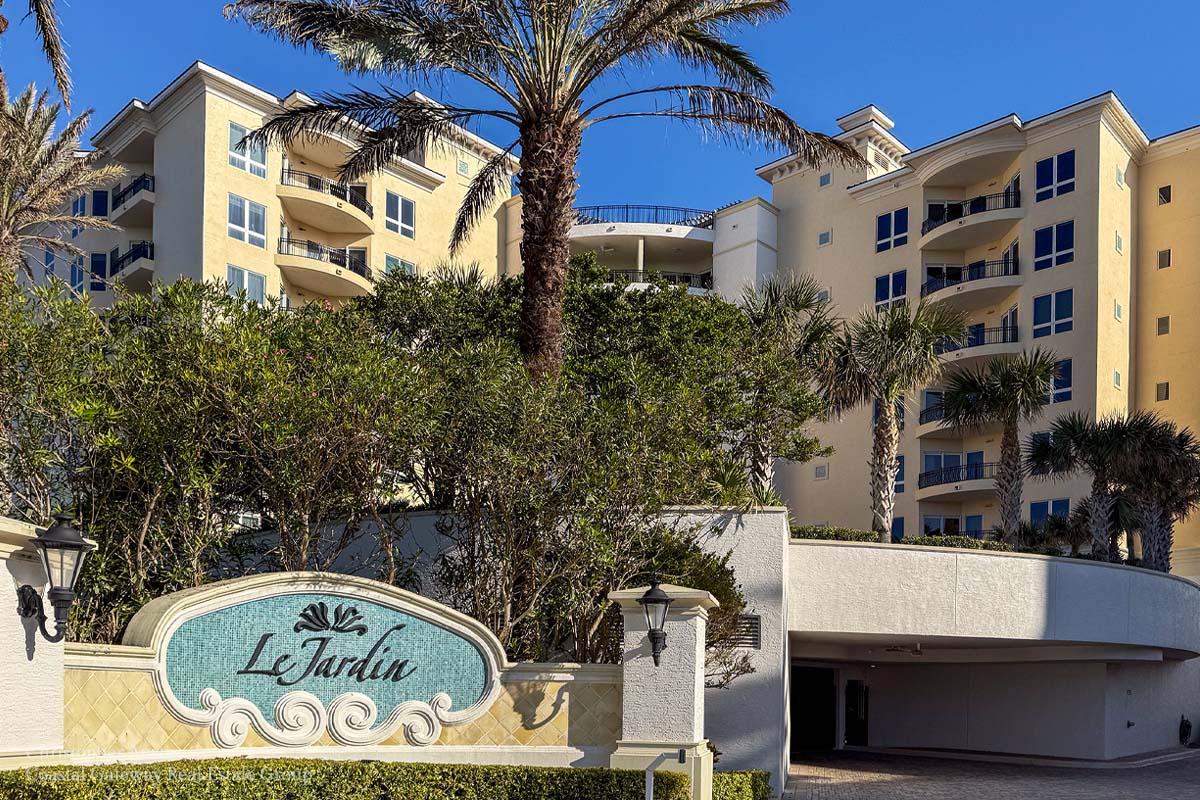
Le Jardin
Le Jardin takes a different approach entirely.
With four towers and only 26 residences in total, it is lower in density and larger in scale per residence than most other oceanfront buildings in Hammock Dunes. Floor plans range from approximately 3,800 to over 5,000 square feet.
Residences were originally delivered decorator-ready, meaning each owner completed interior finishes individually. As a result, no two homes feel exactly alike. Private two-car garages, expansive terraces, and substantial interior volumes distinguish Le Jardin along the coastline.
For buyers prioritizing space and privacy over shared amenity scale, Le Jardin often becomes part of the conversation.
"Hammock Dunes oceanfront condominiums reflect distinct development eras along the same stretch of Atlantic coastline. The Ritz-Carlton Residences represent the final chapter in that progression." - Christopher Austin
Scale, Density, and Ownership Experience
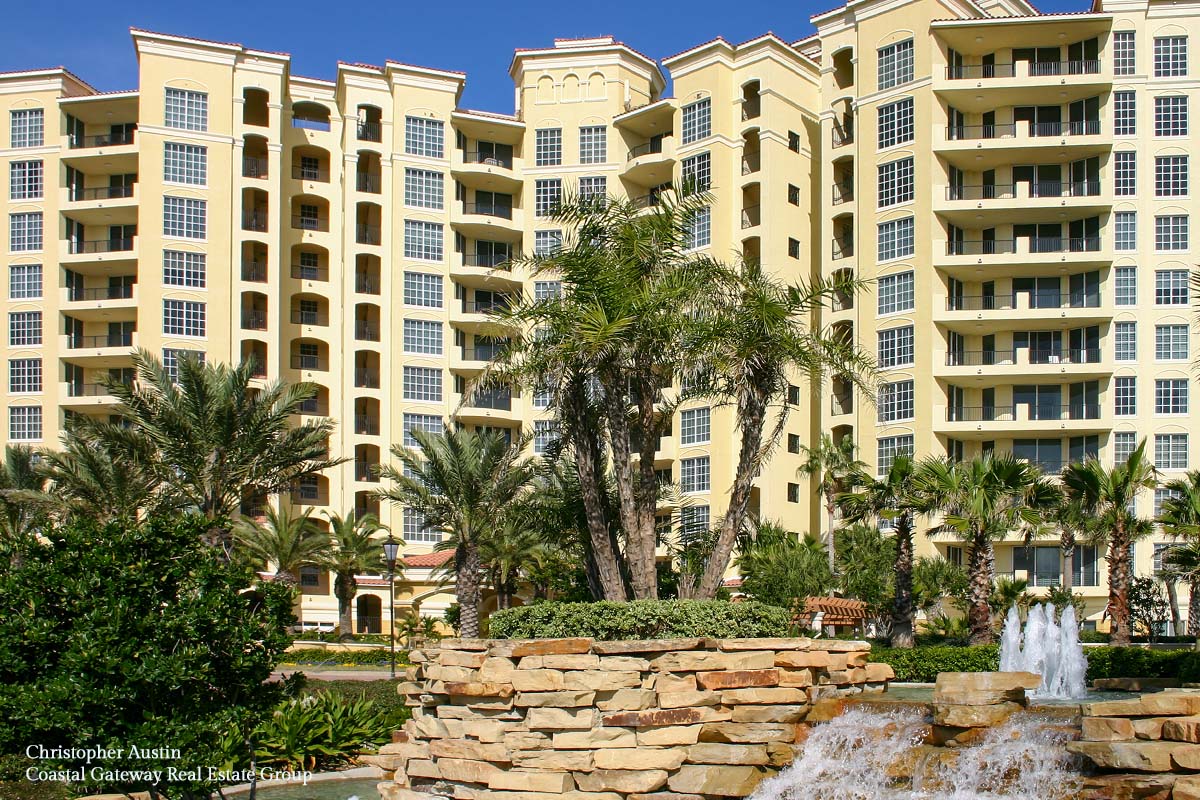
One of the clearest differences among Hammock Dunes oceanfront condominiums is scale.
Some buildings contain fewer than 40 residences. Others exceed 60. Interior sizes range from under 1,500 square feet to well over 5,000 square feet, depending on building and level.
Density affects more than neighbor count. It shapes elevator usage, amenity access, association governance complexity, staffing models, and overall building rhythm. A lower-density structure will naturally feel different from a larger tower, even when both sit directly on the Atlantic Ocean.
Each condominium operates under its own association with independent budgets, reserves, and management oversight. For certain buyers, these structural considerations are just as important as the floor plan.
The Atlantic Setting
All of these buildings share direct Atlantic Ocean frontage within the gates of Hammock Dunes in Palm Coast, Florida.
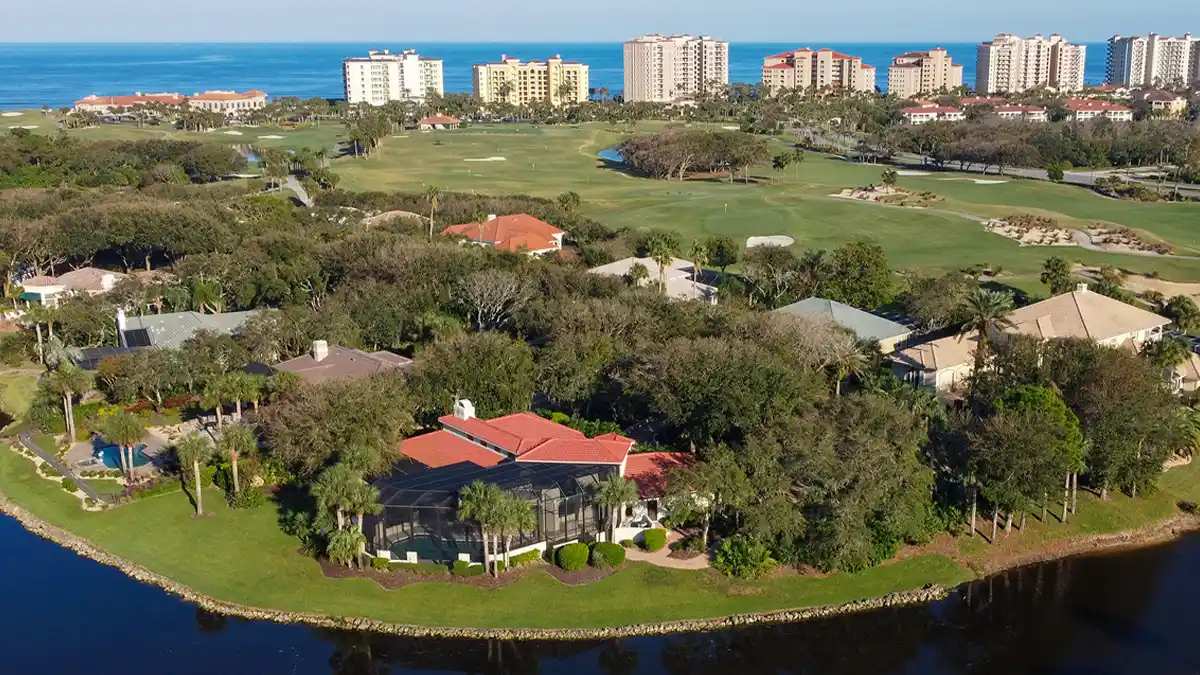
Dune walkovers provide access to wide beaches. Several towers sit within walking distance of the Hammock Dunes Club and the Tom Fazio Links Course. From an aerial perspective, the limited nature of true oceanfront positioning becomes clear.
Each building occupies a defined stretch of shoreline. Historically, new oceanfront condominium supply within Hammock Dunes has been rare.
The Final Oceanfront Chapter: The Ritz-Carlton Residences
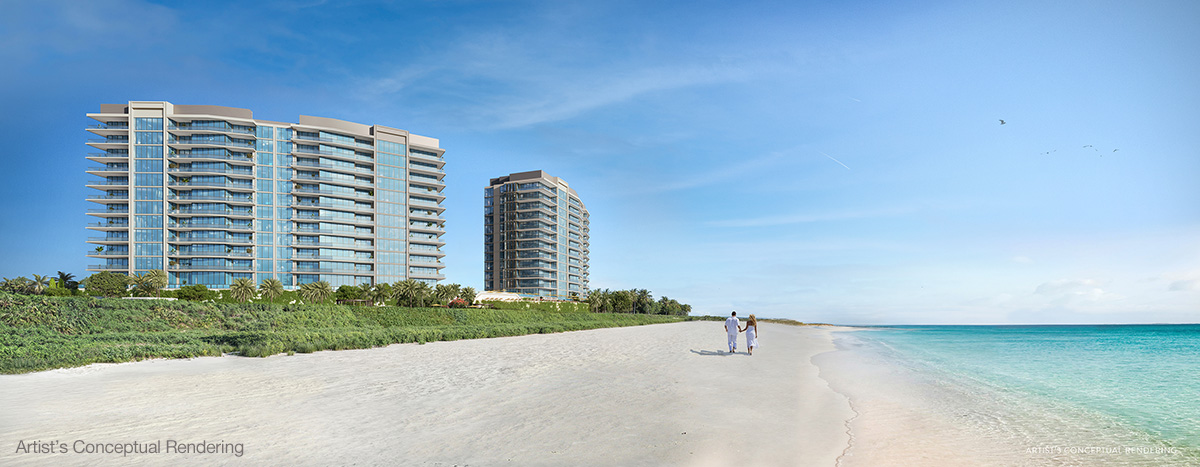
The final remaining oceanfront parcel within Hammock Dunes is designated for The Ritz-Carlton Residences at Hammock Dunes.
Planned as two 12-story towers containing 128 private residences, the project represents the final phase of oceanfront condominium development within the community gates. Once completed, no additional oceanfront condominium sites will remain.
From a development standpoint, this marks a transition. The earlier buildings reflect the design standards, amenity programs, and buyer expectations of their respective eras. The Ritz-Carlton Residences reflect today’s architectural approach, interior design expectations, and branded residential service model.
When I step back and view the coastline as a whole, I do not see one uniform category of condos. I see a progression. La Grande Provence established the foundation. The early 2000s towers expanded the depth of amenities and interior scale. Le Jardin refined low-density luxury. The Ritz-Carlton Residences represent the final chapter in that evolution.
Together, these buildings tell the full story of how oceanfront condominium living in Hammock Dunes has developed over time and where it ultimately concludes.
Evaluating the Right Oceanfront Fit
Every oceanfront building in Hammock Dunes reflects a specific development philosophy and ownership structure. For some buyers, that means prioritizing lower density. For others, it means focusing on amenity scale or service expectations.
For those considering ownership at The Ritz-Carlton Residences at Hammock Dunes, I am available to discuss current opportunities and next steps.
-
Florida Luxury Condo Sales Are Surging as Buyers Prioritize Lifestyle and Location
-
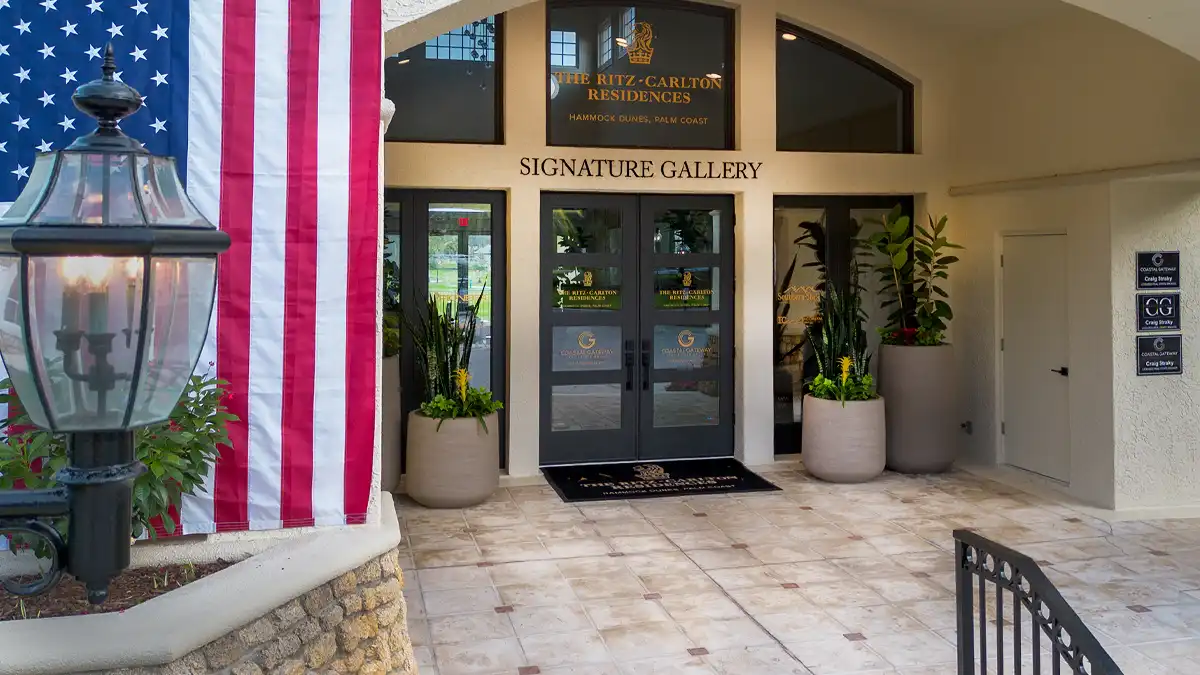
The Ritz-Carlton Residences at Hammock Dunes Sales Gallery Is Now Open
-
Why Central and Northeast Florida Are Attracting Global Luxury Brands
-
The Ritz-Carlton Residences at Hammock Dunes Are About to Enter a New Phase
-
What the Ritz-Carlton Brand Represents Beyond Luxury at Hammock Dunes

-
Why Luxury Living Is Not Always Defined by What Is Outside Your Door
-
Private Oceanfront Golf at Hammock Dunes: Why It Stands Apart in Florida
-
Palm Coast vs Naples, Miami, and Palm Beach: How Coastal Luxury Differs Across Florida
-
What Happens Between Reservation and Groundbreaking at The Ritz-Carlton

-
How Deposit Structures Protect Buyers in Luxury Pre-Construction